
Organising a local community festival
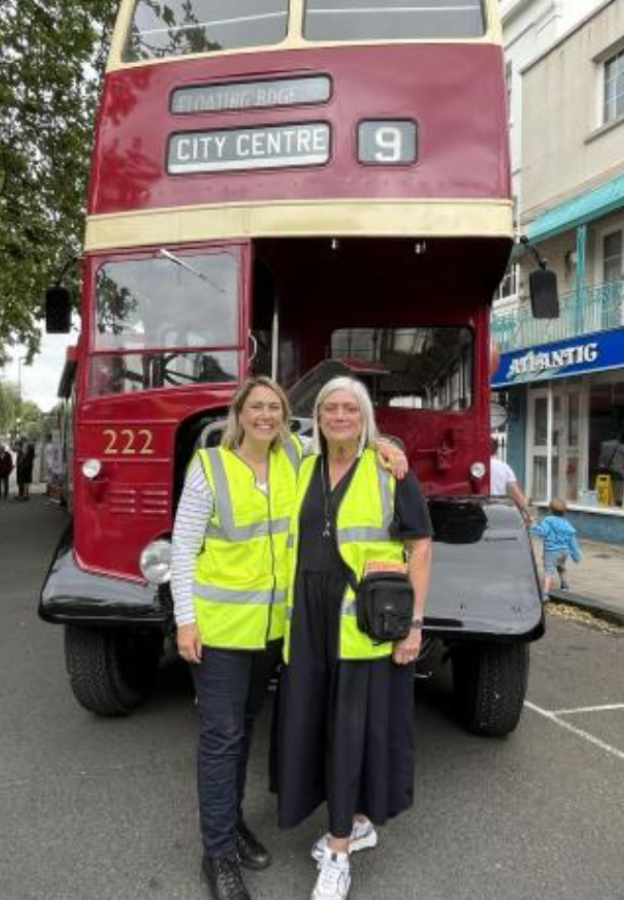
The traders of Bedford Place have been busy organising a not-for-profit summer festival which took place on 2nd July this year, with the aim of creating a fun day for the community and to promote all the amazing businesses in our area.
Communities are the lifeblood of society, and local businesses can help play a crucial role in supporting and strengthening their local area creating a positive impact. What better way to celebrate their vibrancy and diversity than by organizing a festival that brings everyone together. A community festival is not just a source of fun and entertainment; it fosters a sense of unity, strengthens bonds, and promotes local talents and businesses.
Organising such an event might seem like a daunting task, but with careful planning and a dedicated team, you can create an unforgettable experience for your community. In this blog, we’ll outline the essential steps to organising a successful festival.
1. Define purpose and theme:
Begin by establishing a clear purpose for the festival. Are you celebrating a specific cultural event, promoting local artisans, or simply providing a fun-filled weekend for everyone? The purpose will influence the festival’s theme, which should resonate with the community and reflect its identity and values. Our aim is to create a run day for locals to come and enjoy and an opportunity for us to put Bedford Place on the map and shout about all the amazing independents we have in our street.

2. Assemble a Team:
Gather a dedicated and enthusiastic team of volunteers who share your vision and won’t let you down! Assign responsibilities for different areas, such as programming, logistics, marketing, and finance. Collaboration and effective communication are the key to successfully organising a festival.

3.Secure Funding:
Identify potential sources of funding to cover the festival’s costs, such as local businesses, grants, sponsorships, or community fundraising initiatives. Create a detailed budget outlining estimated expenses and income to ensure financial stability throughout the planning process. We started off with contributions from local traders and then topped this up with a grant from Go! Southampton our Business Improvement District.
4.Choose the Venue:
Selecting an appropriate venue is crucial. Consider factors like capacity, accessibility, parking, facilities, and permits required. Local parks, community centres, or school grounds are often great options for community festivals. We close off Bedford Place, as it is a public road this is an extra expense and involves more paperwork, but gives us the bigger area we need. We also use an open air car park and the newly pedestrianised area in Carlton Place.


5.Programming and Activities:
Plan a diverse range of activities and entertainment suitable for all ages and interests. Include live performances, workshops, art installations, local vendors, food stalls, children’s activities, and interactive experiences. Involve local artists, musicians, and performers to showcase the talent within the community.

6. Obtain Permits and Insurance
Ensure that you comply with all necessary legal requirements and obtain the relevant permits for the festival. This may include event permits, alcohol licenses, and health and safety certifications. Additionally, it’s essential to have liability insurance to protect both the organisers and the attendees. Your local council or Business Improvement District will be able to advise you on what you need.


7.Marketing and Promotion:
Create a comprehensive marketing strategy to generate buzz and attract attendees. Develop a strong brand identity and use various channels like social media, local press, community notice boards, banners and flyers to promote the festival. Engage with local influencers, community organisations, and media outlets for wider coverage.

8. Logistics and Operations:
Prepare a detailed event schedule and plan for logistics, including stage setup, seating arrangements, security, waste management, first aid, and crowd control. Ensure you have contingency plans for potential issues such as adverse weather conditions or emergencies.
9. Post-Event Evaluation:
After the festival, gather feedback from attendees, volunteers, and stakeholders. Assess the successes and challenges faced during the event and make improvements for future editions.
This is our 6th year of running the Bedford Place festival. Luckily the weather was good and an estimated 7000 people attended throughout the day!
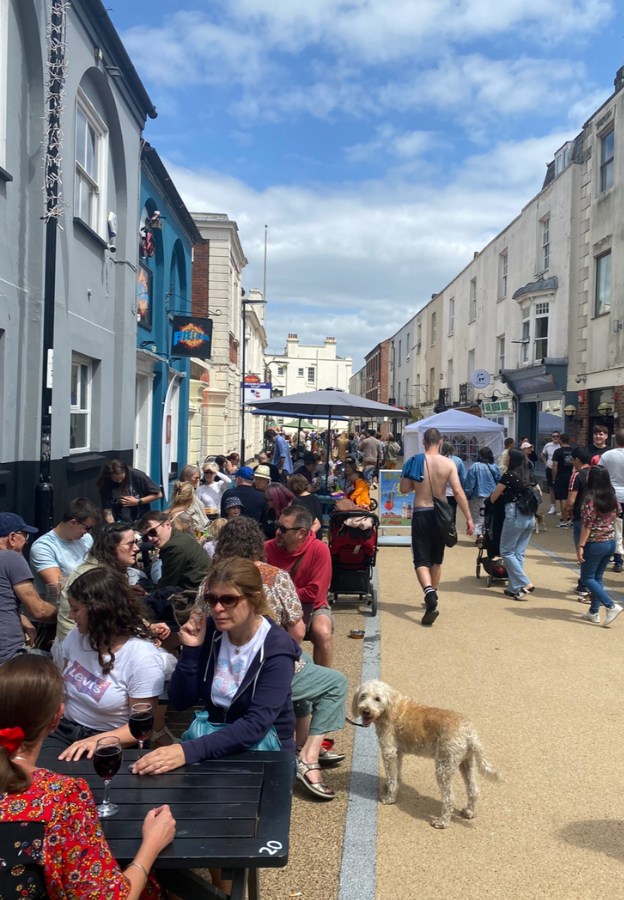
Organising a community festival is a challenging yet rewarding endeavour that can bring people together, celebrate local culture and strengthen the bond among residents and businesses, encourages local talent and fosters community spirit.
Comments are closed here.